
Views: 0 Author: Site Editor Publish Time: 2026-07-30 Origin: Site


Transitioning from traditional lubricated compressors to oil-free systems represents a critical risk-mitigation decision for modern facilities. Industry compliance standards grow stricter every year, and product contamination can easily ruin entire production batches. An Oil-Free Compressor Pump solves this operational problem directly at the source. These advanced units utilize permanent coatings like Teflon or precise water injection for cylinder lubrication. They completely eliminate oil from the compression chamber. You no longer have to rely solely on downstream filtration to catch hazardous chemical vapors. This guide provides a clear technical and operational framework. You will learn exactly how to evaluate if this technology fits your specific application. We explore the mechanical differences, compliance benefits, and sizing criteria needed to make an informed investment.
Oil-free compressor pumps are mandatory for operations requiring ISO 8573-1 Class 0 air purity, eliminating downstream contamination risks.
While upfront capital expenditure (CapEx) is typically higher, the Total Cost of Ownership (TCO) often breaks even due to eliminated oil replacement, filter changes, and condensate disposal costs.
Selection depends heavily on evaluating your facility’s precise CFM (Cubic Feet per Minute), PSI (Pounds per Square Inch), and duty cycle requirements against available oil-free technologies (scroll, dry screw, or reciprocating).
Proper implementation requires accounting for different heat dissipation profiles and maintenance schedules compared to oil-injected models.
Understanding the fundamental mechanical distinction between pump types is the first step in equipment selection. Traditional lubricated pumps flood the compression chamber with oil. This oil cools the internal components and seals the microscopic gaps between moving parts. However, it also introduces unavoidable oil vapor into your compressed air stream. An oil-free system operates fundamentally differently. Manufacturers engineer these pumps using incredibly tight internal tolerances. They utilize self-lubricating materials like polytetrafluoroethylene (PTFE) or specialized carbon rings. Some advanced models inject pure water to cool the system safely. This design prevents hydrocarbon contamination entirely.
Many facility managers assume standard inline filtration makes compressed air clean enough for sensitive applications. This represents a dangerous misconception. Inline filters degrade over time. Pressure drops fluctuate. When a filter fails, oil vapor carries over directly into your clean air lines. The International Organization for Standardization created ISO 8573-1 to rigorously classify air purity. "Class 0" guarantees absolutely zero added oil in the air stream. Only a true oil-free system can reliably achieve and maintain Class 0 certification over a long operational lifecycle.
Running a lubricated compressor in a sterile environment introduces massive operational risks. Oil contamination leads directly to product spoilage. It causes unexpected production downtime. It can even trigger severe regulatory fines if hazardous vapors reach consumer goods. By contrast, running an oil-free system eliminates these risks entirely. You gain peace of mind knowing the air contacting your products remains completely pure.
Always request written ISO 8573-1 Class 0 certification documentation from the manufacturer before purchasing. Never assume a "technically oil-free" system using heavy filtration meets strict regulatory requirements.
Investing in advanced compressor technology yields measurable returns across multiple facility departments. Beyond pure mechanical function, these systems streamline daily operations and improve end-product quality.
If you manufacture consumer goods, pharmaceuticals, or sensitive electronics, oil vapor proves disastrous. Just a few parts per million can alter flavors or ruin microscopic circuitry. Clean air correlates directly with higher end-product yields. You face fewer rejected batches. You protect your brand reputation from damaging product recalls.
Oil-free systems drastically simplify your routine maintenance schedules. You eliminate frequent oil changes entirely. You no longer need to purchase expensive synthetic compressor oils. Furthermore, you avoid paying specialized disposal fees for hazardous oil-water condensate. Downstream filtration requirements also drop significantly, meaning your maintenance team spends less time swapping out saturated filter elements.
Heavy inline oil filters create significant system pressure drops. Your compressor must work much harder to push air through thick, restrictive filter media. Removing these heavy filters reduces this internal resistance. It directly lowers energy consumption over the lifecycle of the equipment. Your utility bills decrease because the system operates more efficiently.
Corporate sustainability goals matter more today than ever before. Oil-injected systems produce hazardous condensate waste. You must chemically treat this waste before legal disposal. Oil-free systems, however, produce pure water condensate. You can usually dispose of this clean water directly down the facility drain. This dramatically simplifies your environmental compliance efforts.
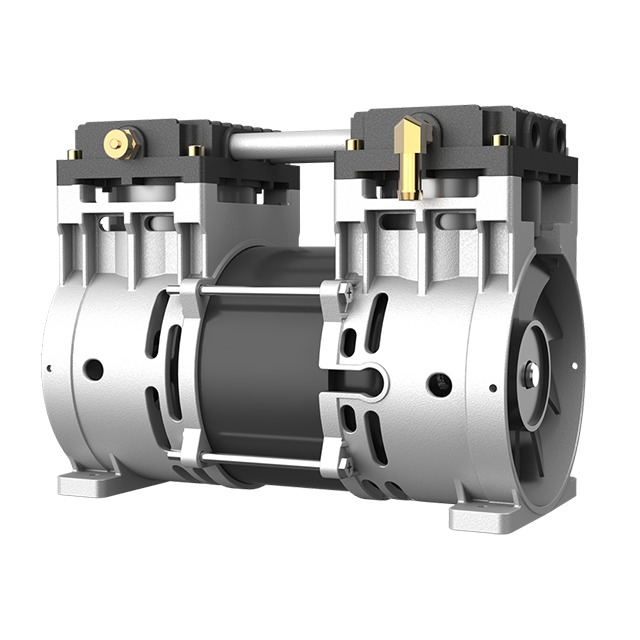
Certain industries mandate flawless air quality. In these sectors, an oil-free system is not a luxury upgrade. It represents a fundamental requirement for legal operation and consumer safety.
The FDA and FSMA strict regulations fiercely govern modern food safety. Oil-free air prevents unwanted taste and odor alterations in delicate food products. It keeps automated packaging lines perfectly sterile. Bakeries, breweries, and dairy plants rely heavily on this technology to maintain consumer trust.
Drug manufacturing requires pristine cleanroom environments. Any hydrocarbon introduction violates strict hygienic standards and ruins expensive pharmaceutical batches. For specialized clinical environments, an Oil-Free Compressor Pump safely powers critical breathing apparatuses and surgical tools. Dental practices also require flawless air quality. They rely heavily on an Oil-Free Compressor Pump to drive precision drills without spraying contaminated mist into patient mouths. Furthermore, modern cosmetic clinics frequently integrate an Oil-Free Compressor Pump for sensitive skincare treatments and aesthetic laser cooling systems.
Microscopic oil vapor easily causes localized defects on delicate microchips. These advanced facilities spend millions constructing and maintaining sterile cleanrooms. Oil-free air ensures those massive infrastructure investments remain secure. It prevents microscopic short circuits during the semiconductor lithography process.
Heavy industrial manufacturing rarely requires this extreme level of purity. Standard metal fabrication facilities, auto body shops, and general pneumatic tool operations do just fine using lubricated systems. Buying an oil-free system for a local tire shop wastes valuable capital. Always match the equipment purity to your actual application needs.
Choosing the correct equipment requires careful auditing of your current facility demands. You must match your specific air consumption patterns to the right compressor technology.
Begin by auditing your current continuous versus intermittent air demand. You must track your precise CFM (Cubic Feet per Minute) and PSI (Pounds per Square Inch) requirements accurately. Oversizing a compressor leads to inefficient short-cycling. Undersizing leads to dangerous pressure drops during peak production hours.
The market offers three primary technologies for generating oil-free compressed air. Each serves a distinct operational purpose.
Oil-Free Scroll Compressors: These units utilize two spiral elements to compress air smoothly. They remain incredibly quiet during operation. They are best suited for intermittent, low-flow applications like small laboratories or dental offices.
Dry Rotary Screw Compressors: These robust machines use precisely mated twin rotors. They handle continuous, high-capacity industrial demands effortlessly. Large food processing plants typically rely on this technology.
Reciprocating (Piston) Oil-Free Compressors: These utilize Teflon-coated pistons rather than oil baths. They are ideal for highly specific high-pressure, lower-volume scenarios.
| Technology Type | Ideal Flow Rate | Optimal Duty Cycle | Typical Application Environment |
|---|---|---|---|
| Scroll Compressor | Low (Under 30 CFM) | Intermittent | Laboratories, Dental Clinics, R&D |
| Dry Rotary Screw | High (100+ CFM) | Continuous (24/7) | Food Packaging, Pharmaceuticals |
| Reciprocating Piston | Medium | Intermittent to Moderate | Specialized High-Pressure Manufacturing |
Oil-free systems generally run significantly hotter than their lubricated counterparts. They lack the thermal mass of an internal oil bath to absorb mechanical heat. You must carefully assess your ambient room temperature. Ensure you have robust ventilation and powerful cooling strategies in place before installation.
Proper planning ensures a smooth transition to oil-free technology. Facility managers must look beyond the initial purchase order and prepare the physical site appropriately.
Expect a 20-40% higher initial purchase premium for oil-free technology. Manufacturers must use expensive materials and precision engineering to build these units. However, you quickly recoup this capital through eliminated maintenance line items. You save substantial money on synthetic oil, heavy replacement filters, and reduced energy consumption.
Your daily and monthly maintenance checks will take far less time. Operators no longer need to check oil levels or drain messy condensate traps. However, you must plan for long-term mechanical wear. The eventual system overhaul can represent a significant expense. You will eventually need to replace Teflon-coated rotors or rebuild the entire airend block. Schedule this capital expense well in advance based on the manufacturer's suggested operating hours.
Integrating a new oil-free pump into an older network requires careful preparation.
Clean existing pipework: Purge old lines thoroughly to remove residual oil from previous compressors.
Upgrade legacy receivers: Replace old steel air tanks. Oil-free air lacks the protective oily film that prevents internal tank rust. Consider epoxy-coated or stainless steel receivers.
Verify electrical loads: Ensure your facility panels can handle the specific startup amperage of the new compressor motor.
Optimize ventilation: Install extra exhaust fans if the compressor room lacks adequate airflow for heat dissipation.
Choosing an oil-free system remains fundamentally a risk-management decision. It is driven entirely by the strictness of your specific application. By eliminating oil from the compression process, you protect your end products and streamline environmental compliance.
Evaluate your true air purity needs before making a purchase.
Understand the mechanical differences and heat profiles of oil-free models.
Prepare your facility infrastructure to prevent legacy contamination.
Plan for periodic airend overhauls rather than frequent monthly fluid changes.
Take actionable steps today. Conduct a comprehensive facility air audit. Consult with a qualified application engineer to calculate exact energy demands based on your local utility rates and unique duty cycle.
A: Older piston models were notoriously loud. However, modern scroll and insulated screw models operate at highly competitive decibel levels. Scroll compressors are exceptionally quiet and often run directly inside clinical settings without disturbing staff or patients.
A: This depends heavily on ambient conditions and duty cycles. Most dry screw airends operate reliably for 30,000 to 40,000 hours before requiring a major refurbishment. High ambient temperatures or poor ventilation will significantly shorten this expected lifespan.
A: No. Heavy filtration makes the air "technically oil-free" under ideal conditions, but it cannot guarantee ISO 8573-1 Class 0 purity. Filters eventually degrade, saturate, or fail. When they do, catastrophic oil vapor carryover contaminates your entire downstream system.
A: They do generate more internal heat due to the lack of cooling oil. Manufacturers compensate for this physics challenge by engineering advanced air-cooling fins or utilizing dedicated water-cooling jackets around the compression chamber.


